Multifamily Bridge Loan Costs After the Fed's September Rate Hike
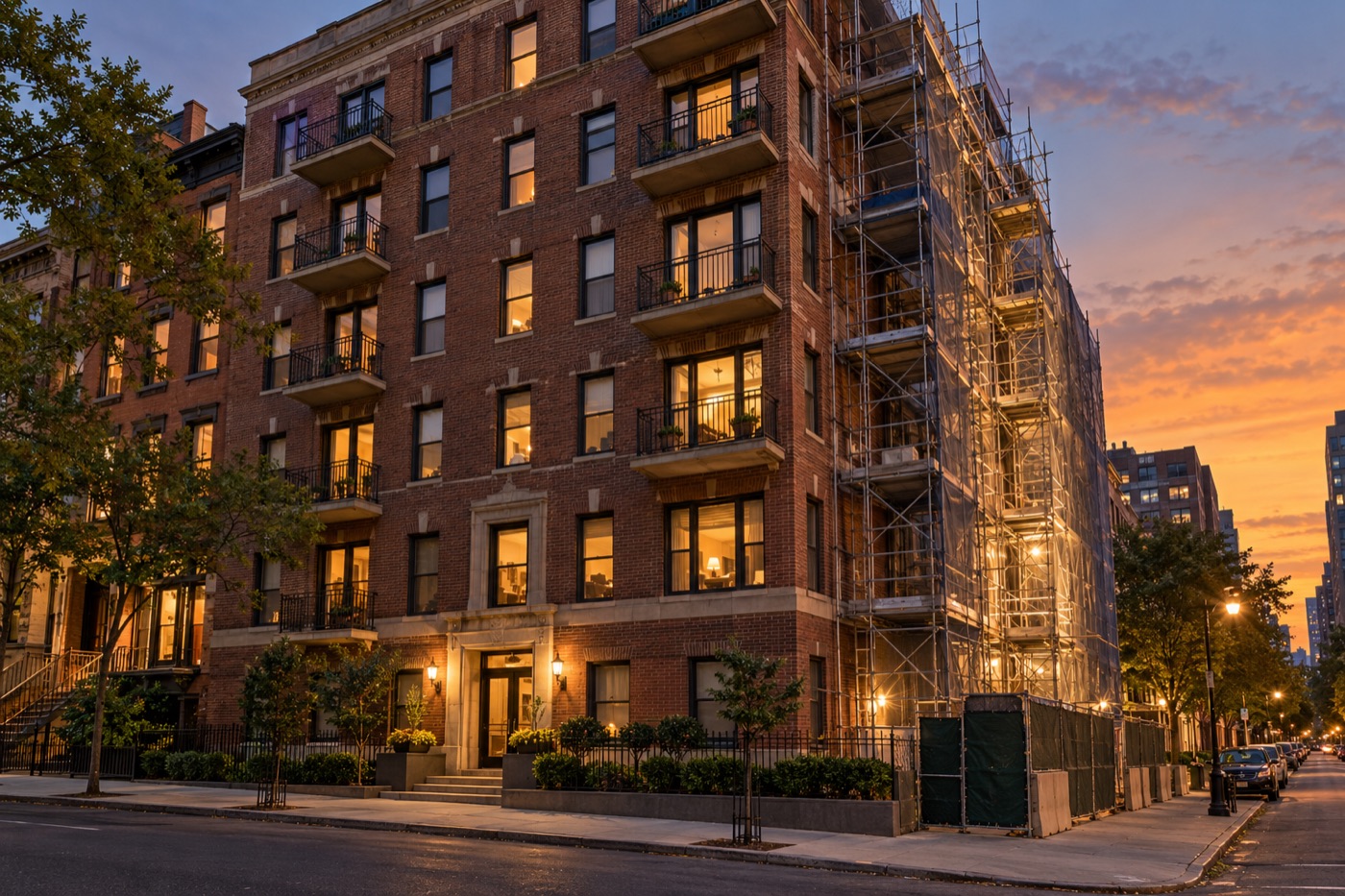
A multifamily bridge loan is short-term, usually floating-rate financing for an apartment property that sits between stages, and after the Federal Reserve raised rates in September 2026, the index most of these loans float on moved up with it. If you're weighing one, the useful question isn't "what's the rate today." It's "what happens to my payment if the index keeps moving, and can the property carry it?"
This guide covers how bridge pricing is built, what changed this month, and what to ask before you sign.
What a multifamily bridge loan is built to do
Bridge lenders finance the gap between where an apartment property is now and where it needs to be to qualify for long-term debt. Owners usually end up here for one of four reasons:
- Units need renovation before rents can move.
- Occupancy has slipped and needs to be rebuilt.
- A purchase has to close before permanent financing can be arranged.
- An existing loan matures before the property qualifies for a refinance.
Because the lender is underwriting a plan instead of a stable rent roll, the loan is structured differently from a long-term fixed mortgage. Most of that difference shows up in the interest line.
How floating-rate bridge pricing works
Most bridge quotes come in two pieces.
The index. Usually the Secured Overnight Financing Rate. The Federal Reserve Bank of New York describes SOFR as "a broad measure of the cost of borrowing cash overnight collateralized by Treasury securities." The spread. A fixed margin the lender adds on top of the index. It reflects the lender's view of your property, your plan and your track record.
Your rate resets as the index moves. The spread stays where the loan documents put it. So when owners say bridge debt "got more expensive," they usually mean the index rose after closing.
What changed in September 2026
On September 16, 2026, the Federal Open Market Committee raised the target range for the federal funds rate by 1/4 percentage point, to 3-3/4 to 4 percent. That was an increase, not a cut, and short-term indexes follow the fed funds rate closely.
Here are the latest prints from the primary sources, checked today:
| Index | Latest print | Date of print | Primary source |
|---|---|---|---|
| SOFR | 3.90% | September 28, 2026 | Federal Reserve Bank of New York |
| Federal funds effective rate | 3.88% | September 28, 2026 | Federal Reserve H.15 release |
| Bank prime loan rate | 7.00% | September 28, 2026 | Federal Reserve H.15 release |
These are index levels, not loan rates. Your all-in rate is the index plus whatever spread a lender offers on your specific property, and no one can give you that number honestly without underwriting the deal.
Stress-test the multifamily bridge loan payment
The Fed doesn't promise what it will do next. Plan as if the index can keep rising for the life of the loan, and check that the property can still pay.
Hypothetical example: a $10M interest-only bridge loan. Every 1 percentage point rise in the all-in rate adds $100,000 a year in interest, or about $8,333 a month. That's arithmetic on round numbers, not a quote. The real question is whether net operating income covers that higher payment today, and again in the middle of a renovation when some units are offline and not paying rent.
Rate caps
Many floating-rate bridge lenders require the borrower to buy an interest rate cap. A cap is a contract that pays you if the index rises above a set level, called the strike. Ask:
- What strike does the lender require, and for how long?
- If you extend the loan, do you have to buy a new cap?
- Is there a reserve set aside to pay for that replacement?
Caps tend to cost more when markets expect rates to climb. Price the replacement before you count on an extension.
Interest reserves
Some bridge loans hold back part of the proceeds to pay interest while units are being renovated. That can protect you during the thinnest months. Ask how the reserve is sized, and what happens if it runs out before the plan is finished.
Lenders are active, but the mix has shifted
Credit is available. The Mortgage Bankers Association's second quarter 2026 originations survey found commercial and multifamily loan volume was 16% higher than a year earlier. Multifamily volume rose 8% year over year and 15% from the first quarter.
The sources of that money moved around. CMBS volume rose 68% year over year and depositories rose 61%, while volume from the government-sponsored enterprises fell 17% and life insurance company volume fell 27%. For an owner, that means more doors to knock on than a year ago, and a good reason to compare more than one type of lender.
Questions to ask before you sign
| Loan term | What to ask |
|---|---|
| Index and floor | Which index, and is there a minimum rate even if the index falls? |
| Spread | Is it fixed for the full term, including any extensions? |
| Rate cap | Strike, term, and who pays to replace it? |
| Interest reserve | How is it sized, and what if it runs short? |
| Extensions | What tests must the property pass, and what does each one cost? |
| Prepayment | Is there a minimum interest period or an exit fee? |
| Recourse | Non-recourse with carve-outs, or a personal guarantee? |
Get every answer in the term sheet, not over the phone.
Where a broker fits
Northern Ridge Capital is a debt broker, not a lender. It works on apartment and other commercial loans from $5M to $30M, and compares structures from several lenders against the property's plan. You can read about how Northern Ridge Capital approaches commercial bridge loans. It can't promise approval, a rate or a closing date, and no one honestly can.
FAQ
Is a multifamily bridge loan fixed or floating?
Most are floating, priced as an index such as SOFR plus a spread. Some lenders offer fixed-rate options. Compare both in writing, on an all-in basis.
Did the September 2026 Fed hike raise my bridge loan rate?
If your loan floats on SOFR or prime, the index part of your rate moves as those rates move. SOFR was 3.90% on September 28, 2026. Your spread stays as written in your loan documents.
Do I have to buy a rate cap?
Many floating-rate lenders require one. The loan documents set the strike and the term, and often require a new cap if you extend.
Is prime the same as SOFR?
No. The bank prime loan rate was 7.00% on September 28, 2026, while SOFR was 3.90% the same day. Loans quoted off different indexes carry different spreads, so compare the all-in rate, not the spread alone.
A multifamily bridge loan can still be the right tool for an apartment property in transition. Size it for the payment you'd face if rates keep climbing, not the one you see on closing day.