Apartment Building Loan Options: When a Bridge Loan Fits
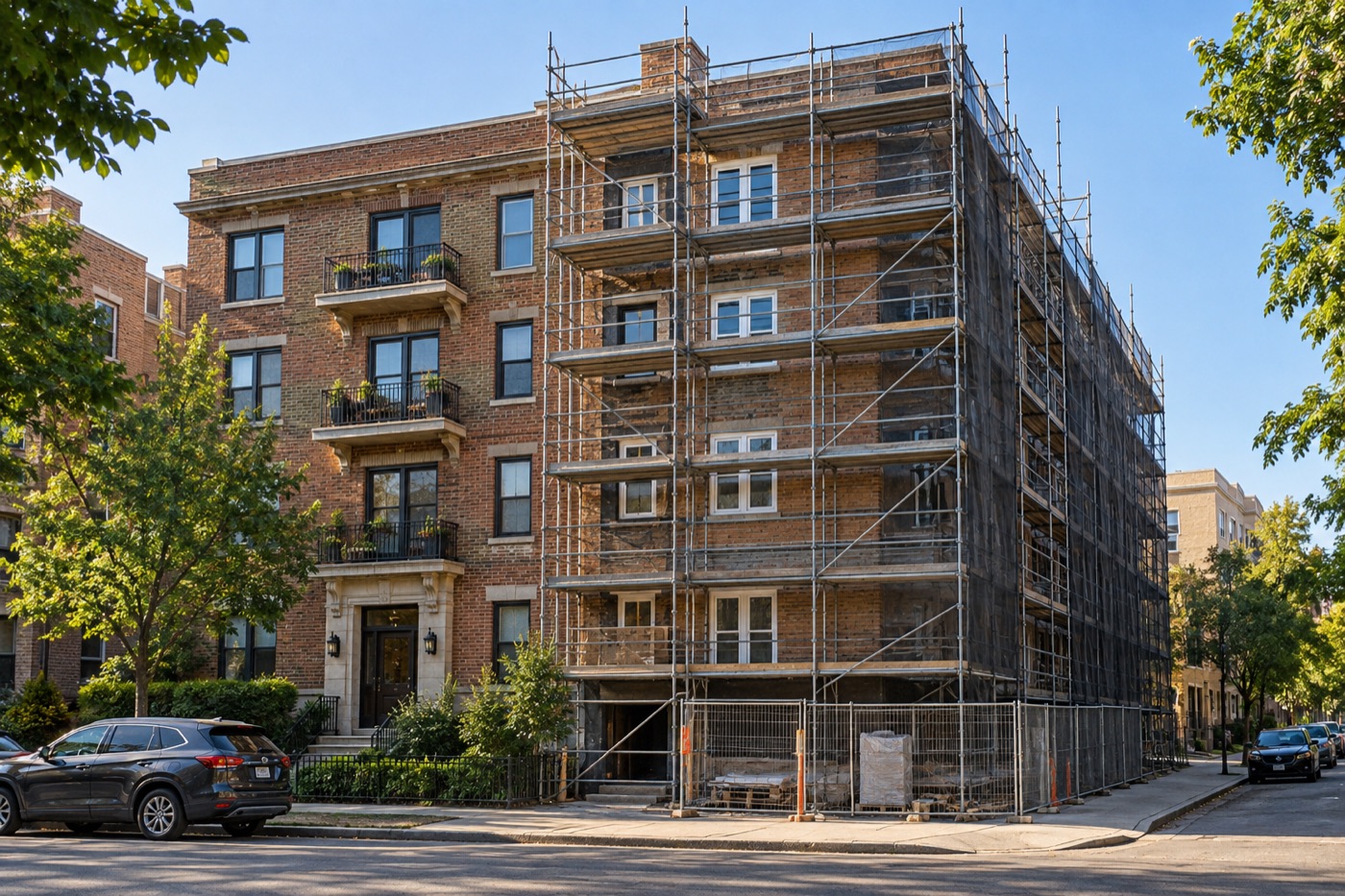
An apartment building loan for a property that is not yet stable often starts as a short-term bridge loan and moves to long-term debt once the rent roll holds up. If your building has empty units, deferred repairs or rents well below the market, a bridge can carry you through the fix, but only if you plan how you will pay it off before you sign.
This article covers when a bridge makes sense, how it differs from permanent financing, what the current lending market looks like, and how to set up the exit.
What a bridge apartment building loan is for
A bridge loan is short-term debt meant to get a property from where it is to where a long-term lender will want it. A permanent lender looks hard at what the building earns today and how long it has earned it. A bridge lender looks more at the plan: what the building earns now, what it could earn after the work is done, and how the loan gets repaid.
Owners usually reach for a bridge in a few situations:
- Lease-up. Heavy turnover left units empty and the income no longer supports a permanent loan.
- Renovation. Units, roofs, boilers or common areas need work before rents can rise.
- Timing. A purchase has to close before a long-term lender can finish its review.
- A maturing loan on a soft year. The old loan is due and this year's numbers don't show what the building can really do.
When a bridge is the wrong tool
If the building is already stable, with steady occupancy and clean financials, a bridge usually adds cost and a second closing for no reason. In that case go straight to permanent debt. A bridge also makes little sense if you don't have a realistic plan to raise income, because the refinance at the end will be sized on the income you actually achieve, not the income you hoped for.
Bridge vs. permanent: the trade-offs
The two loan types solve different problems. This table is a general comparison. Every lender sets its own terms.
| Feature | Bridge loan | Permanent loan |
|---|---|---|
| Purpose | Carry the property through a change | Hold a stable property long term |
| Rate type | Often floating | Often fixed |
| Underwriting focus | Business plan and value after the work | Current income and its track record |
| Prepayment | Usually more flexible | Often carries penalties such as yield maintenance or defeasance |
| Main risk to you | The refinance may not be there when the bridge comes due | Less room to sell or refinance early |
The biggest risk with a bridge is not the rate. It's the exit. If the work runs long or rents come in lower than planned, the permanent loan may be smaller than you counted on, and you may need to bring cash to close.
What the lending market looks like now
Two public data points help set expectations.
First, banks are a bit more open. In the Federal Reserve's July 2026 Senior Loan Officer Opinion Survey, modest net shares of banks reported easing standards on loans secured by multifamily properties in the second quarter of 2026, while demand for those loans was basically unchanged.
Second, stress hasn't gone away. Trepp data reported by Multifamily Dive put the multifamily CMBS delinquency rate at 7.69% in August 2026, compared with 6.86% a year earlier.
Put together, lenders are open to apartment deals but paying close attention to how a loan gets repaid. For a bridge, that means a clear, believable exit.
Plan the exit before you sign
Work backward from the loan you expect to replace the bridge with. A few questions to answer up front:
- What income will the permanent lender need to see, and for how long? Many lenders want a stretch of stable operations, not one good month.
- Does the renovation scope close off any takeout option? Long-term government-insured debt is a good example.
- What happens if the plan runs late? Read the extension terms, their fees and the tests you must pass to use them.
- Is there a rate cap or other hedge requirement? Floating-rate bridge debt often comes with one, and its cost belongs in your budget.
A note on HUD as a takeout
HUD's Section 223(f) program insures mortgages for the purchase or refinancing of existing multifamily rental housing, with terms up to 35 years, according to HUD's program descriptions. HUD states the property must have been completed or substantially rehabilitated for at least 3 years before the application, and the program may not involve replacing more than one major system. If a HUD refinance is your planned exit, a heavy renovation can push that date out. Know this before you choose your bridge term.
Hypothetical example: An owner buys a building for $10 million and plans a round of unit upgrades, using a bridge loan of $8 million. The plan assumes that higher rents will support a permanent loan large enough to repay the bridge. If rents land lower, the permanent loan could come in below $8 million and the owner would need to cover the gap. These figures are illustrative only, not market data.
Where a broker fits
Northern Ridge Capital is a commercial real estate debt broker, not a lender. We work on loans from $5M to $30M and help owners compare bridge and permanent options side by side, including how each one gets paid off. You can read more about how we handle apartment building loan requests. We can't promise approval, a rate or a closing date. No one honest can.
FAQ
How long does a bridge loan on an apartment building last?
Bridge loans are short-term, and the length is set by the lender based on your business plan. Ask what extension options exist, what they cost and what tests you must meet to use them.
Can a bridge loan be refinanced into a HUD loan?
It can be, if the property qualifies. HUD's 223(f) program covers the purchase or refinancing of existing multifamily housing, but HUD requires the property to have been completed or substantially rehabilitated for at least 3 years before the application.
Are bridge loans fixed or floating?
Many are floating. If yours is, ask whether a rate cap is required and price it into your plan from the start.
What do lenders want to see before making a bridge apartment building loan?
Expect them to ask for the current rent roll and operating statements, a detailed renovation budget, your track record with similar work, and a clear plan for the permanent apartment building loan that will repay the bridge.